
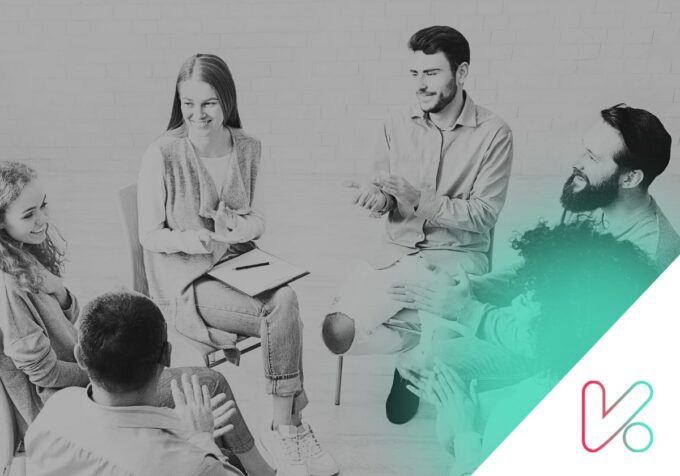
NLP coaching, also known as Neuro-Linguistic Programming coaching, helps people communicate better, break through limiting beliefs, develop confidence, and work more efficiently toward personal and professional goals. Although NLP coaching is typically used one-on-one, it can be extremely effective as group coaching. Group Mindset Coaching offers participants the chance to learn powerful mindset and behavioural techniques, share experiences, collaborate, and receive support from others.
Group coaching settings can be special because individuals can learn not only from the coach but also from others in the group. The group members will learn more about their thought patterns, communication styles, and how to develop themselves through guided discussions, interactive exercises, and practical NLP techniques.
Creating a Safe and Supportive Group Environment
One of the key elements of a successful NLP coaching group is a safe and supportive space. The participant is asked to delve into personal beliefs, share experiences, and engage in exercises that foster openness and trust. If the environment is not psychologically safe, people may not feel comfortable being part of the team or engaging in coaching. Coaches should set group guidelines and expectations at the start of the programme. These can include confidentiality agreements, the rules of good communication, listening skills and participation guidelines. Establishing standards helps foster a positive culture and climate that values and respects people.
Another key element of successful group Mindset Coaching is to establish rapport with the group. While NLP techniques may focus on connection and communication, rapport-building exercises are especially important. Icebreakers, introductions, and structured discussions can help participants feel comfortable, get to know one another, and build trust within the group. Having an inclusive environment is crucial to the coach. Promoting equal participation, managing dominant personalities, and supporting quieter individuals helps everyone have opportunities to learn and contribute.
A group culture that supports the sharing of insights, questions and exploring new perspectives without fear of judgement. This will foster learning and build greater engagement within the coaching programme. Safety, trust and mutual respect are a focus for coaches to ensure NLP coaching experiences are meaningful and personal development is sustained.
Using NLP Techniques to Enhance Group Learning
Several NLP coaching skills techniques can be effectively used in group coaching. Such skills enable participants to gain self-awareness, enhance communication skills, question negative thinking, and cultivate positive thinking. A popular method is guided visualisation. Groups can be guided through exercises by coaches to imagine reaching goals, overcoming challenges or acting with confidence in a future scenario. These exercises help to reinforce positive thinking and motivation.
Additionally, reframing exercises can be very effective in group processes. The participants will be able to see challenges from various angles and find opportunities in challenging situations. It is sometimes enhanced by group discussions, which help to illuminate the process with different perspectives and experiences. NLP communication activities can enhance interpersonal skills and self-awareness. They can discuss language structures, listening skills, and communication styles that impact communication in relationships and at work. Group work offers opportunities for feedback and learning, as these skills are practised.
Exercises that will focus on future preparation help participants link the desired outcomes to action plans. People may find that they receive extra encouragement and accountability from others when they share their aspirations and strategies. With proper facilitation, NLP techniques can be used as excellent learning tools for both personal and group development. The interactive quality of group coaching increases engagement and enables concepts to be put into practice as they are presented.
Encouraging Participation and Managing Group Dynamics
A critical challenge when coaching in a group is dealing with the varying personalities, experiences and communication styles. Effective facilitators know how to engage people in the learning process and foster a balanced, productive learning environment. Active engagement is crucial as participants are likely to learn most effectively through discussion, reflection, and application. There are several ways coaches can foster participation, such as asking open-ended questions, guiding group exercises, and allowing for feedback and learning from the group.
Not all people will take part in the same manner. Some have an innate ability to speak in groups, and others do not. Some people are more comfortable speaking in groups, while others prefer to listen and reflect before speaking. A good coach acknowledges this distinctiveness and provides several opportunities for engagement. Good observation skills are important for group dynamics. Coaches need to be vigilant about interactions and potential conflicts, and ensure that no individual dominates the discussion. Promoting respectful communication helps keep everyone feeling at ease and comfortable and contributes to a positive environment.
One of the best benefits of group coaching is peer learning. They often find it helpful to hear from others, appreciate different perspectives, and realise that others are experiencing similar challenges. It can enhance motivation and sense of belonging, and facilitate better interconnections within the group. With careful management of participation and group dynamics, coaches can design interactive sessions to ensure maximum learning and a gain for all participants in the NLP Coaching process.
Measuring Success and Supporting Ongoing Growth
It is crucial for group NLP coaching to be effective, have a lasting impact on each individual’s coaching skills, and provide tangible results. Coaches need to set clear goals and evaluation procedures to measure participants’ progress during the programme. Setting goals is a key first step. Participants should set individual goals for confidence, communication, leadership, performance, and personal growth and development.
Having clear objectives helps provide direction and allows for measuring success in the long term. Frequent reflection activities help participants to monitor their progress and celebrate their growth. Journaling activities, group discussion, and self-assessment tools can be used to assess changes in mindset, behaviour, and performance.
Another important aspect of group Mindset Coaching is the feedback. They can share their experiences, and coaches can give supportive feedback and advice. Feedback is provided on an ongoing basis to reinforce learning and provide focus for further development. Long-term success is achieved by using accountability strategies as well. If participants are invited to write down action plans and make commitments, and to report progress on those commitments between sessions, it can enhance their motivation and consistency.
Some coaches will follow up with additional course resources, learning materials, or opportunities for continuous support to keep the momentum going after the programme ends. Routine engagement enables participants to apply NLP principles in real-life situations and to maintain positive behavioural changes. Coaches can maximise the impact of group NLP coaching and the potential for meaningful long-term change by emphasising measurable outcomes and continuous development.
Conclusion
NLP coaching can be an extremely effective method in group settings that provide opportunities for the group to personalise, improve communication, and reach their goals. The use of powerful NLP skills and collaborative learning creates space for developing new perspectives, building confidence, and practical skills. The key to successful Group Mindset Coaching is establishing a safe, supportive environment built on openness and trust. The coaching role that facilitates discussion, applies appropriate NLP techniques, and manages group dynamics can greatly improve participant engagement and learning outcomes.
Contact Think Coaching Academy
If you want to learn more about NLP then you need to sign up for our NLP Coaching Course. Follow this link to learn more.

Frequently Asked Questions
What are the benefits of NLP coaching in a group setting?
The group Mindset Coaching experience enables the participants to learn from the coach and other group members. Group activities, differing viewpoints, and joint conversations can enrich learning, boost motivation, and foster a positive atmosphere for personal and career development.
Who can benefit from group NLP coaching sessions?
Group Mindset Coaching can be useful for professionals, business groups, leaders, entrepreneurs, students and anyone who wants to develop themselves. These techniques can be modified to support communication skills, build confidence, develop leadership skills, support goal setting, and promote behavioural change.
How large should an NLP coaching group be?
The ideal group size depends on the objectives and coaching style. The size of the group can influence the depth of interaction and the level of personalised support, with smaller groups offering more intimate engagement and a wider network of opportunities than in larger groups. The size of the group doesn’t matter, as long as it is effectively facilitated.
Can group NLP coaching improve workplace relationships?
Yes. Group NLP coaching is often based on communication, listening, rapport-building, and understanding patterns of behaviour. These skills can enhance relationships in the workplace, help build a better team, minimise misunderstandings, and create a more productive workplace.
How are group NLP coaching sessions typically structured?
Introductions, discussion, practical exercise, coaching exercise, reflection time, and action planning are typical activities in a session. Coaches can use a mix of learning and education during an NLP session to ensure that participants can implement NLP concepts effectively in real-life situations.
What skills should a coach have to facilitate NLP group sessions?
A coach should be a good communicator, facilitator, and listener, and have strong group management skills. Building rapport, encouraging participation, managing different personalities and utilising NLP techniques effectively contribute to making group coaching engaging and productive.