
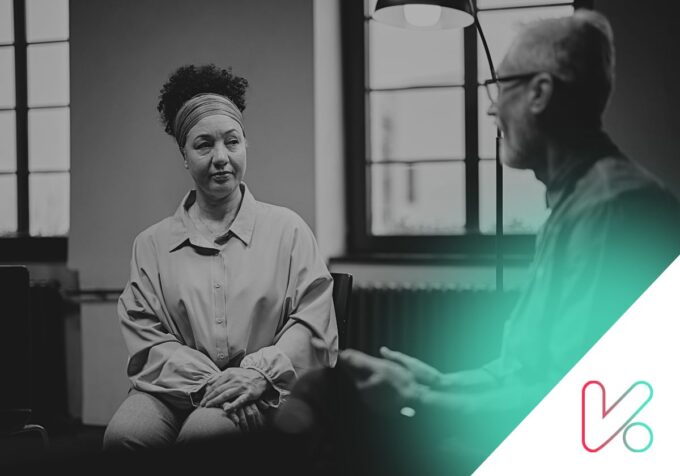
In the hustle and bustle of this world, many individuals want to be successful in their careers and relationships and to achieve their goals, but do not feel connected or fulfilled. The feeling of imbalance often results from failing to align with one’s spiritual values and beliefs in daily actions, decisions, and priorities. Spiritual alignment doesn’t always need to be associated with any religion or belief system. Rather, it means living in a manner that is authentic, meaningful, and in keeping with one’s inner values. Life coaching provides a framework and a supportive environment for people to get back to what is important. Life Coaching is not about making decisions for the client or giving them advice, but rather about helping them think through their decisions, set goals, and take responsibility for themselves. With careful questioning and positive strategies, people become clearer about their purpose and begin to live in accordance with their personal values.
Understanding Spiritual Alignment and Personal Values
The starting point for spiritual alignment is knowing what is really important at an individual level. It requires identifying beliefs, principles and values that inform decisions and influence day-to-day actions. If others consistently live these values, people sometimes find a sense of peace, confidence and fulfilment. People often lose touch with their values due to external pressures, such as work, finances, and societal expectations. These pressures can lead people to seek things that don’t align with their true selves over time. This disconnection can lead to stress, a lack of satisfaction, and a lack of purpose.
Life Coaching can help a person discover their values through self-reflection and meaningful dialogue. Coaches invite their clients to discover what drives them, what makes them really happy, and what helps them feel fulfilled. This approach can often expose possibilities for more genuine decisions. Knowing about personal values also enhances decision-making. Having clear values enables people to assess opportunities, make priorities and set meaningful goals. Decisions are not so reactive as they are more purposeful. It doesn’t have to be perfect. Rather, it uses a consistent path of developing a life built on personal integrity and authenticity. Life coaching can assist on this journey by identifying areas of alignment, positive change, imbalance, and lack of fulfilment.
How Life Coaching Encourages Self-Awareness and Inner Growth
Self-awareness is one of the most important foundations of spiritual alignment. It can be challenging to identify changes that will lead to a more meaningful life without understanding one’s own thoughts, emotions, behaviours, and beliefs. Life Coaching focuses on the individual’s own awareness as the key element of the personal development process. Life coaching is used to explore individuals’ inner world through reflective questioning, journalling, goal reviews and open discussion. Clients start to uncover habits, emotional responses, fears and limiting beliefs that could be holding them back from living in line with their values. People find that things are harder inside them than out. Anxiety, self-consciousness, fear of failure, perfectionism, or the need to please others may impact choices that drive them away from what they are truly called to do. Life Coaching can assist them in questioning and changing unhealthy patterns for healthier perspectives.
Self-actualisation is also the process of identifying strengths. Life coaching encourages individuals to recognise their capabilities, celebrate their development, and build confidence in decision-making. This approach is harmonious and helps reduce emotional resistance and promote personal empowerment. The coaching process sometimes incorporates mindfulness and careful consideration. Stopping thought and action processing gives people time to think, rather than react to life’s situations. The more aware you become of yourself, the more you can align spiritually. People have the clarity necessary to make decisions that help maintain their own integrity, connection and wellbeing.
Aligning Daily Habits with Spiritual Goals
True spirituality is not only in beliefs, but also in actions. Even if it’s the clearest sense of purpose, some habits will support personal growth and wellbeing. Life coaching helps people make the transition from thinking to doing by developing strategies for change they can implement. Goal setting is a key component of this process. Life coaching does not seek to assess achievements from the outside, but rather to examine personal values and spiritual priorities. These goals can range from better relationships and healthier habits to gratitude, helping others, emotional balance, and many others.
Life coaching can also assist people in recognising habits that can hinder development. The stresses of time management, unhealthy habits, negative internal dialogue, or over-committing can all create obstacles to living on purpose. Coaches partner with clients to develop the positive habits that will lead to sustainable growth. Consistency is important and is helped by accountability. Individuals make regular coaching sessions an opportunity to reflect on their progress, deal with setbacks, or celebrate achievements. This continuous help boosts motivation and encourages positive change.
The little things can make the biggest difference. Over time, spiritual alignment can be cultivated through consistent practices such as mindfulness, journalling, reflection, exercise, and spending time in nature. When it comes to life coaching, the goal is to help the client make these practices part of an actual, sustainable schedule. When they connect everyday actions with their core values, they will find more purpose, fulfilment, and emotional satisfaction in their lives and make a real difference towards their own vision of success.
The Long-Term Benefits of Life Coaching for Spiritual Alignment
Aligning oneself spiritually is not a destination, but a journey. Life coaching helps people continually assess their priorities, adapt to change, and stay connected to their personal values at various points in their lives. One of the greatest long-term advantages is the clarity. People who frequently consider their goals and values make more confident decisions because they know what they value. This clarity eliminates uncertainty and brings happiness in living life with purpose.
Personal Growth also enhances emotional strength. As people become more self-aware and learn to cope, they’re better prepared to deal with setbacks, uncertainty and transitions in life without compromising on their values. Relationships often get better, too. Living authentically promotes open communication, empathy, and better relationships. People with a spiritual compass develop healthier boundaries and put more purposeful time into positive relationships.
A further advantage is better general well-being. When thoughts are in tune with actions and values, this decreases internal conflict and helps to maintain emotional balance. People have reported greater satisfaction, motivation, and peace of mind in their personal development process. Lifelong learning is probably the most significant benefit of Personal Growth. Personal development is seen as a long-term goal, and individuals cultivate a growth mindset, encouraging their ongoing spiritual development and fulfilment.
Conclusion
Spiritual alignment is living authentically and making decisions that are congruent with personal values, purpose, and integrity. Although each person’s journey is different, life coaching offers valuable guidance and structure to help them walk on the path with greater confidence and clarity. Personal Growth fosters sustainable changes in an individual’s life by fostering self-awareness, promoting emotional strength and resilience, and integrating and reinforcing positive behavioural patterns with purposeful objectives. It does not provide snap solutions, but offers people opportunities to make long-term healthy choices for their personal and spiritual health.
Contact Think Coach Academy
Would you like to become a life coach and help people? Study at Think Coaching Academy and sign up for our Life Coach Course.

Frequently Asked Questions
How does personal development coaching support spiritual alignment?
Life coaching works with people to uncover their beliefs, values, and personal goals, and to make the connection between their purpose and actions. By facilitating introspection and offering actionable insights, clients can create a more genuine existence that fuels a sense of achievement and emotional health over the long haul.
Can personal development coaching help me discover my purpose?
Yes. Personal development coaching is a process that inspires people to learn more about themselves and discover their strengths, passions, values and aspirations. This can help clarify life direction and make choices that align with personal purpose, fostering a greater sense of meaning.
Is personal development coaching suitable for people of all belief systems?
Absolutely. Personal development coaching is open and can assist those from a variety of cultural, spiritual and religious backgrounds. Emphasis is placed on personal development, self-awareness and living according to personal values and beliefs rather than any particular belief system or philosophy.
How does personal development coaching improve emotional wellbeing?
Life coaching enables people to cultivate positive thinking habits, enhance their emotional endurance, and boost self-assurance. Clients gain a better understanding of how to handle life’s events and maintain emotional balance and harmony when they learn healthy coping skills and become more aware of their emotions.
What habits can personal development coaching help build for spiritual growth?
Personal development coaching supports the cultivation of positive habits such as mindfulness, journalling, expressing gratitude, setting goals, reflecting, and deliberate decision-making. These practices enable spiritual development, help maintain a connection with their values, and enable them to make decisions throughout their lives that reflect their purpose.
What are the long-term benefits of personal development coaching?
The long-term benefits are increased self-awareness, emotional resilience, improved relationships, greater confidence, clearer decision-making, and a stronger sense of purpose. Personal development coaching empowers a person to acquire lifelong skills that help them grow, enjoy and live their lives in line with their personal values.