
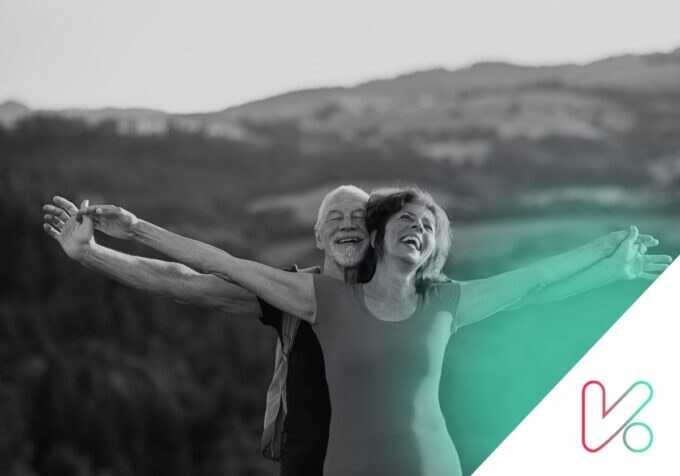
Ageing is an inevitable fact of life, but how we age depends on the decisions we make every day. A lot of us may assume that ill health and low energy are just part of growing older, but they don’t have to be. Guided with the proper support and a commitment from you to create new healthy habits, it’s never too late to age well and be more vital in the years ahead. Wellness coaching provides an effective solution to those who wish to ‘weave the ageing narrative’ more independently and custom-fit.
Wellness coaching targets overall well-being by making healthy actions relevant to everyone’s life for the long term. Instead of quick fixes or a one-size-fits-all approach, health coaches partner with clients to develop habits that support overall physical, mental and emotional health. From mobility and nutrition to stress management and a sense of purpose, the aim is to help clients remain robust, active and engaged as they age.
Supporting Physical Wellness Through Movement and Nutrition
Physical well-being is an anchor when it comes to graceful ageing. Keeping up our strength, flexibility and energy as we age can ward off injury, preserve independence and improve quality of life every day. When clients establish new sustainable habits for movement and nutrition with the help of health coaching, they also make strides toward physical wellness and feel better as a result.
Some seniors may struggle with stiff joints and limited muscle mass or may be managing a chronic illness. A health coach assists clients in finding safe and fun types of exercise that fit their level of physical fitness and their lifestyle. (Think walking, swimming, strength training, yoga or exercises designed to work on your balance.) Wellness coaching provides exercise planning as well as accountability to make sure you stay consistent over time.
Nutrition is equally important. As metabolism decelerates with age, the body’s nutritional needs change. Health coaching guides clients toward mindful eating choices for energy, digestion, and strong bones. Coaches could help increase whole foods, decrease added sugars, and ensure ample protein and micronutrients, she says. Instead of confronting clients with extreme shifts, wellness coaching layers in habits more gradually. That could be anything from prepping meals to reminders to drink water to simply cooking healthy, keep-it-simple meals. The focus is on helping people feel that healthy living is doable and enjoyable.
When the client’s physical well-being is encouraged by systematic habits, clients not only feel good but are also more optimistic and determined to participate in other channels of life. But perhaps the best reason to look ahead beyond 2020 is our health: coaching to thrive in new, meaningful ways will not only sustain us but also help us to reclaim the sense of agency over our health.
Enhancing Cognitive Health with Mindful Practices
Cognitive function is closely related to how we experience ageing. Independence, confidence and quality of life are dependent upon memory, focus and mental clarity. Wellness coaching enhances brain health by incorporating daily activities that reduce mental wear and tear throughout life and cognitive inertia during day-to-day living.
The one most common contributor to cognitive health issues is chronic stress, leading to brain fog, low-quality sleep, and high levels of cortisol. Clients are exposed to mindfulness exercises like the practice of breathwork, meditation and journaling as part of the health coach process to soothe the nervous system and create mental clarity. These are great ways to maintain mental resilience and prevent age-related cognitive decline.
Health coaching not only aids in stress management, but it also stimulates the mind. This might be working on puzzles, picking up a new skill, reading, or doing something creative like painting or playing music. Health coaches assist clients in discovering mentally stimulating activities that are meaningful for them and fit into their lives.
Sleep is another critical element. If you have restless nights, your memory and focus may suffer. HPs improve sleep quality by helping clients develop bedtime routines, decreasing screen time before bedtime, and maintaining standard sleep-wake patterns. Clients who make these strategies part of daily life are not only promoting natural, long-term cognitive health. Wellness coaching motivates people to be proactive in preserving brain function and keeping the mind sharp.
Building Emotional Resilience for a Positive Outlook on Ageing
Dig into this one; you’re going to love it! “Emotional health is equal in importance to the health of one’s body and one’s cognitive abilities when it comes to graceful ageing.” With that said, here are a few basics to help you keep depression at bay. Roles, relationships and self-identity may change as people grow older. Emotional “toughness” enables you to have composure navigating these transitions with grace, flexibility and purpose. Wellness coaching is a vital tool in developing this inner strength.
Emotional resilience means the capacity to bounce back when plans go wrong, to manage the mood and to keep a positive outlook. Through reflection, health coaching encourages individuals to develop the kind of emotional self-awareness that chronic illness often brings forth. Coaches employ techniques such as positive psychology, gratitude exercises and values-based goal setting to aid clients in reweaving what is meaningful in their lives. Social connection is also vital. Older adults often face loneliness and social isolation, the emotional and physical effects of which can be harmful. Health coaching helps clients form or maintain relationships which benefit them, such as through volunteering, community involvement, or family participation.
Wellness coaching can be instrumental in allowing clients to let go of perfectionism or antiquated beliefs about ageing. And then, clients learn to accept and be curious about the ageing process. When attention moves from what was lost to what can now be gained, people can discover new sources of joy, purpose and self-expression. Continue to work on managing stress, developing self-compassion, and maintaining emotional balance daily. Wellness coaching doubles down on this change by reinforcing small, daily habits that accrue emotional strength over time.
Aligning Lifestyle Habits with Personal Values and Goals
A graceful later life is more than just a set of health metrics; it’s also about living in a way that feels true to one’s values and sense of purpose. As humans transition through the various phases of their lives, they have different priorities. Health coaching assistants are credited with assisting clients in reconnecting with what is important to them and aligning their lifestyle with their values.
Lifestyle alignment is the act of making decisions that allow you to maintain mental, spiritual and physical health. Wellness coaching helps people clarify their goals, which could be anything from travelling more to keeping up with grandchildren to meaningful work to new hobbies. Coaches then work with you to break down these goals into bite-sized habits that can be taken on daily.
For instance, if a client has expressed their desire to be creative, wellness coaching could aid in the development of a morning routine that incorporates journaling or painting. ” If a patient prioritises connection, it might be about coming up with ways to volunteer or socialise weekly. It’s the job of the coach to translate these abstract needs into specific, satisfying actions.
Another common area of insecurity is time, its boundaries and its preservation. Health coaching prioritises your time so that you feel energised instead of drained. This could result in “increases in well-being, reductions in psychological stress and a more positive relationship with leisure”. Matching lifestyle with core values is satisfying, and that feeds being alive. It serves as a reminder to clients that they are still learning, developing, and serving. Health coaching facilitates that transformation with kindness, discipline and direction so that clients age with a greater sense of purpose and fulfilment.
Conclusion
Graceful ageing and vigour are not strokes of luck. People can be physically active, mentally sharp, emotionally resilient, and deeply fulfilled well into old age with the proper support, mindset and habits. Health coaching offers people the means, support, and accountability to achieve this vision.
What differentiates wellness coaching is its attention: no fixed programmes, no canned routines. Instead, clients get tailored guidance that honours their aims, capacities, and life circumstances. This method leads to self-worth, independence, and real change. There is nothing wrong with ageing. It is a path that new beginnings, stronger relationships, and a sense of purpose can mark.
Contact Think Coaching Academy
Studying with Think Coaching Academy’s Health and Wellness Course empowers you to lead others toward healthier lifestyles. Gain essential skills and certification to excel in the dynamic field of wellness coaching. Join us and make a meaningful impact in people’s lives today!

Frequently Asked Questions
What is health coaching and how does it work?
Wellness coaching is a patient-centred, goal-orientated process that helps to facilitate lasting behavioural changes in order to improve overall health. Holding regular accountability, nudging them with emails every day or a week to make better health and nutrition choices. Health coaching does this by fostering self-awareness, encouraging small, incremental actions and supporting sustained change. It’s not about handing down commandments but rather about enabling people to make choices that reflect their values, their needs and their vision for health. It’s a flexible, workable, and outcome-orientated process.
How is lifestyle coaching different from a personal trainer or therapist?
Lifestyle coaching is not personal training or therapy; it has a different landscape and is approached differently. A personal trainer works on physical fitness, and a therapist would help with mental health conditions, but lifestyle coaching fills in that space between knowing and doing things about your health across whatever you are working on to be well. Coaches aren’t therapists, so we don’t diagnose or prescribe. Instead, they encourage behaviour change, setting goals and building habits around such areas as nutrition, stress and self-care. Physical activity coaching is a collaborative, future-oriented, and holistic endeavour.
Who can benefit from health coaching?
If you want to develop better lifestyle habits and are interested in health, then you can benefit from health coaching. Whether it’s dealing with a chronic illness, overcoming burnout, weight loss or generally wanting more vitality and harmony, lifestyle coaching provides unique strategies to help you towards those desires. It can be beneficial for those who are feeling overwhelmed or don’t know where to begin. A health coach works with clients from where they are now, at their own pace, to help bring about a graceful transition to a more healthful direction.
What topics can be addressed in health coaching sessions?
Lifestyle coaching sessions may explore a variety of health dimensions depending on client goals. It often encompasses elements such as food, movement, stress, sleep, time management, mindset and daily rhythms. Some sessions might delve into meal planning; others might lead you through the emotional triggers that underlie your habits. Lifestyle coaching is flexible and client-driven, i.e., the coach meets the client where the client is at the moment based on his or her priorities and barriers. It’s not guesswork, but instead it’s about working together to come up with strategies that are realistic and doable. Each week acts as a reflection on past performance, problem-solving, and goal-setting.
How long does it take to see results from health coaching?
A few clients experience improved energy, mood, or habits within a couple of weeks, whereas deeper health results require a few months of treatments. Since health coaching is all about transformation over time instead of quick fixes, the method is geared towards long-term success. Coaches advocate for the current progress to be small and maintainable and for constant reflection. The clients that get the most benefit from coaching are the ones who stay involved, do things in between sessions, and have an openness to learning.
Is health coaching worth the investment?
Yes, lifestyle coaching is an investment in lifetime wellness. Through the structure, accountability and customised support, coaching allows clients to blast through barriers and build habits that stick. The increase in energy, self-confidence, stress management, and daily health can all contribute to improved quality of life as well as overall productivity. Many individuals have the direct result of not feeling good about making the same choices and not wanting to repeat similar health issues again. Coaching gives many people the inspiration, drive, and accomplishments that they never thought possible; the positive effects reach well beyond the “office hours”.